
How to Identify the Best ATM Location for Your Oklahoma Business
- March 24, 2026
- admin
- 2:10 pm
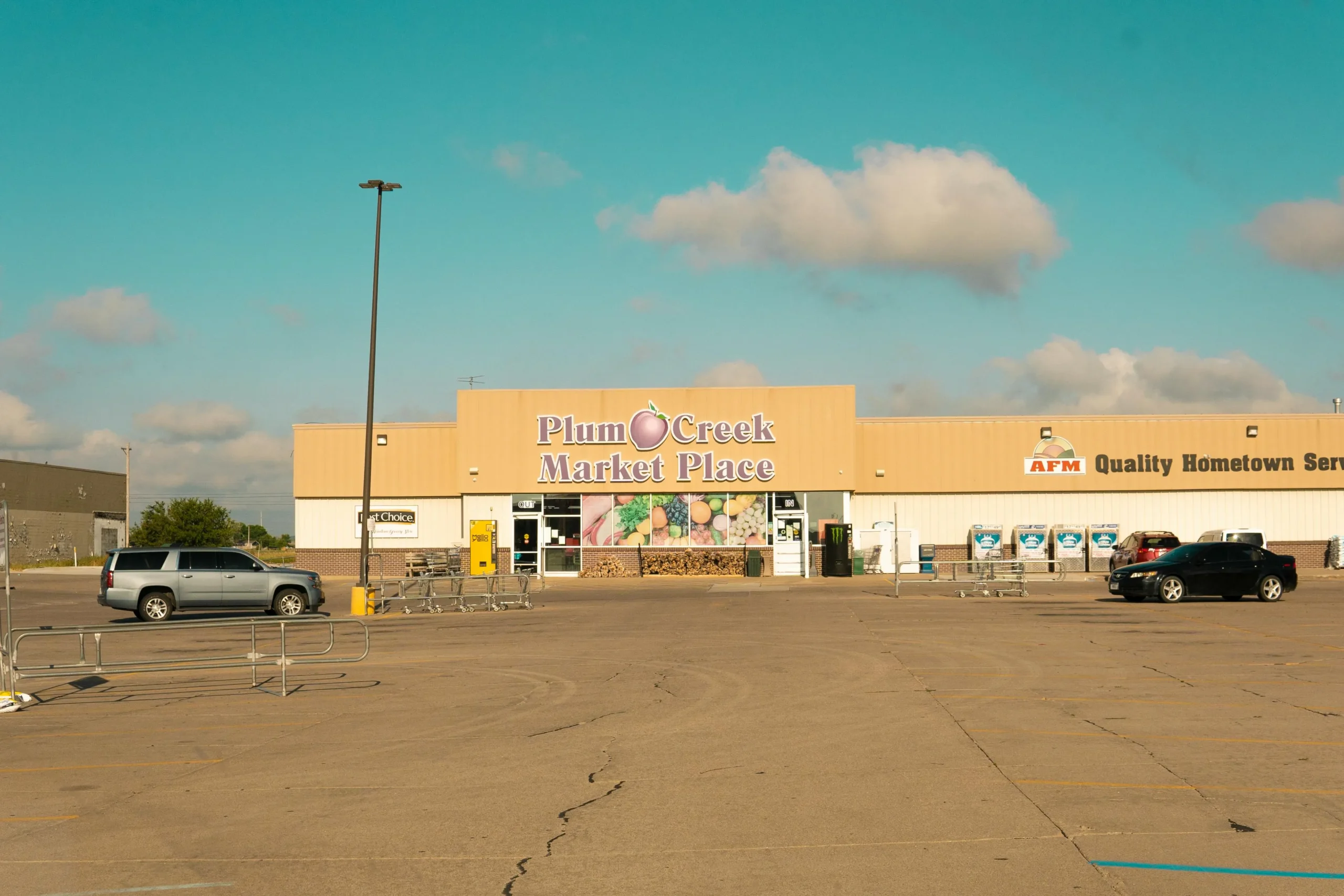
Choosing the right ATM location is one of the most important decisions in any ATM strategy. A machine can have strong features, reliable support, and attractive revenue potential, but the location still determines how often it is used and how valuable it becomes to the business. In Oklahoma, this matters because business traffic patterns vary widely between dense commercial areas, tourism corridors, regional downtowns, college communities, hospitality districts, and convenience-focused stops. The state’s business environment is shaped by sectors such as aerospace and defense, agribusiness, manufacturing, financial services, and broader local commerce, while Oklahoma City also saw 24.5 million visitors in 2024 and generated $4.6 billion in tourism-related economic impact. Those kinds of traffic drivers make site selection more strategic than simple guesswork.
Does the Location Already Have Consistent Customer Traffic?
The first question to ask is whether the location already has reliable foot traffic or transaction activity. The best ATM placements usually begin with places where people are already coming and going throughout the day, not places where owners hope traffic will eventually appear. A steady flow of customers creates more chances for ATM use, especially in businesses where convenience matters and purchases often happen in the moment. Restaurants, bars, convenience stores, travel stops, entertainment areas, hotels, local retail spaces, and service-oriented businesses often perform better than low-traffic spaces because the ATM supports an existing pattern of need rather than trying to create demand from nothing.
This question matters even more in Oklahoma because customer traffic is not limited to one kind of business environment. Oklahoma City and Tulsa generate large volumes of commercial and visitor movement, while cities such as Norman, Edmond, Lawton, Stillwater, Broken Arrow, and Enid support their own local spending ecosystems. Oklahoma also contains the nation’s longest driveable stretch of Route 66, with more than 400 miles crossing the state, which means some locations benefit from both resident activity and pass-through travel. A location with proven daily activity is usually a stronger ATM candidate than one that depends on unpredictable traffic or occasional demand.
Do Customers at This Location Actually Need Convenient Cash Access?
The second question is whether the people using that location are likely to benefit from having easy access to cash. Not every high-traffic business is automatically the best ATM site. The strongest locations are the ones where cash access solves a real convenience problem for the customer. That can include customers making smaller purchases, spontaneous purchases, nightlife purchases, vendor payments, service-based transactions, tips, entertainment spending, or purchases in places where leaving to find cash creates friction. The point is not simply to count how many people walk through the door. It is to ask whether those people are in situations where quick access to cash would help them complete spending on-site.
In Oklahoma, that question can be especially relevant in locations affected by travel, events, hospitality, and community activity. Official tourism sources continue to highlight Route 66 as a major draw across the state, and Oklahoma City’s visitor economy shows how large customer movement can be in the right markets. Businesses near event venues, hotels, tourism corridors, historic districts, busy commercial zones, or food-and-beverage clusters may have stronger ATM potential because their customers are more likely to value quick access to cash without having to interrupt the visit. A well-placed ATM works best when it supports a real customer need instead of serving only as an extra machine without a clear purpose.
Is the Business Environment Strong Enough to Support Long-Term ATM Use?
A third question is whether the surrounding business environment can support ATM use over time rather than for only a brief period. A good ATM location is not just busy today. It should also fit into an area with dependable business activity, repeat traffic, and enough stability to justify placement, ownership, or service investment. Looking at the surrounding area helps answer whether the machine is positioned inside a durable local market or in a space where activity may fluctuate too sharply to support consistent usage. This includes reviewing nearby businesses, the broader neighborhood pattern, local spending behavior, and whether the site is connected to a stable commercial ecosystem rather than an isolated opportunity.
Oklahoma offers strong reasons to think this way because its economy is broad and regionally diverse. The Oklahoma Department of Commerce highlights sectors ranging from aerospace and defense to agribusiness, manufacturing, and financial services, which helps explain why different parts of the state have different business rhythms and traffic patterns. A business near a well-established commercial area in Oklahoma City, a visitor-facing corridor in Tulsa, a college-driven market such as Norman or Stillwater, or a travel-linked stretch of Route 66 may have stronger long-term placement value than a site without stable surrounding demand. The best ATM locations are usually the ones supported by both internal customer traffic and a healthy external business environment.
Can the ATM Be Positioned Where Customers Will Actually Notice and Use It?
Even a strong business can lose ATM opportunity if the machine is hidden, difficult to access, or poorly placed within the location. That is why the fourth question should focus on visibility and ease of use. The ideal ATM location is not only in the right business, but also in the right part of that business. Customers should be able to see it, understand it is available, and access it without confusion or disruption. If the machine is placed too far from the flow of traffic, tucked into an awkward corner, or positioned where people do not naturally stop, usage can decline even when the location itself is otherwise promising. The placement strategy inside the property matters almost as much as the property itself.
This is especially true in Oklahoma businesses that rely on convenience, speed, and impulsive spending decisions. In hospitality spaces, travel stops, entertainment settings, convenience stores, and busy local retail environments, customers respond better to services that feel easy and immediate. That same principle applies in tourism-oriented markets and high-movement areas influenced by visitor spending. Oklahoma City’s large annual visitor volume shows how important customer convenience can be when businesses serve people who want quick, friction-free experiences. A machine that is both well-located and well-positioned has a much better chance of becoming part of normal customer behavior.
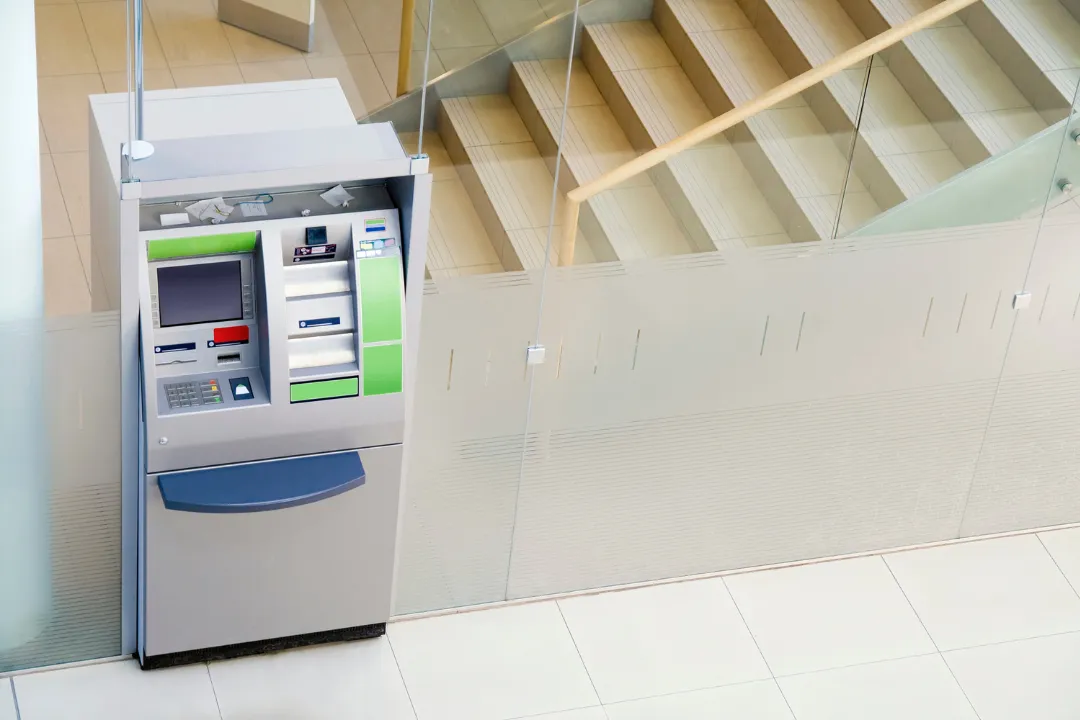
The Best ATM Location in Oklahoma Usually Answers All Four Questions Clearly
The strongest ATM placements usually do not rely on only one positive factor. They work because the location already has traffic, the customers have a real need for convenient cash access, the surrounding business environment can support long-term performance, and the machine can be positioned where it is easy to notice and use. When those four questions are answered well, the ATM becomes far more likely to contribute to customer convenience and business value over time. That is true whether the goal is to buy an ATM, lease one, explore qualified placement, or strengthen an existing business with a new passive revenue feature.
For Oklahoma businesses, this kind of location thinking matters because the state is not defined by one single market pattern. It includes dense metro activity, tourism routes, college communities, regional downtowns, manufacturing-linked areas, agribusiness-driven communities, and long stretches of travel movement through Route 66. The most successful ATM decisions are usually the ones based on how the business and location truly operate, not on broad assumptions or generic copy. When Oklahoma business owners evaluate location with these four questions in mind, they are much more likely to choose a site that supports real use, stronger customer convenience, and better long-term revenue potential.