Why an ATM Can Help Oklahoma Small Businesses Capture More Impulse Sales
- March 24, 2026
- admin
- 2:40 pm
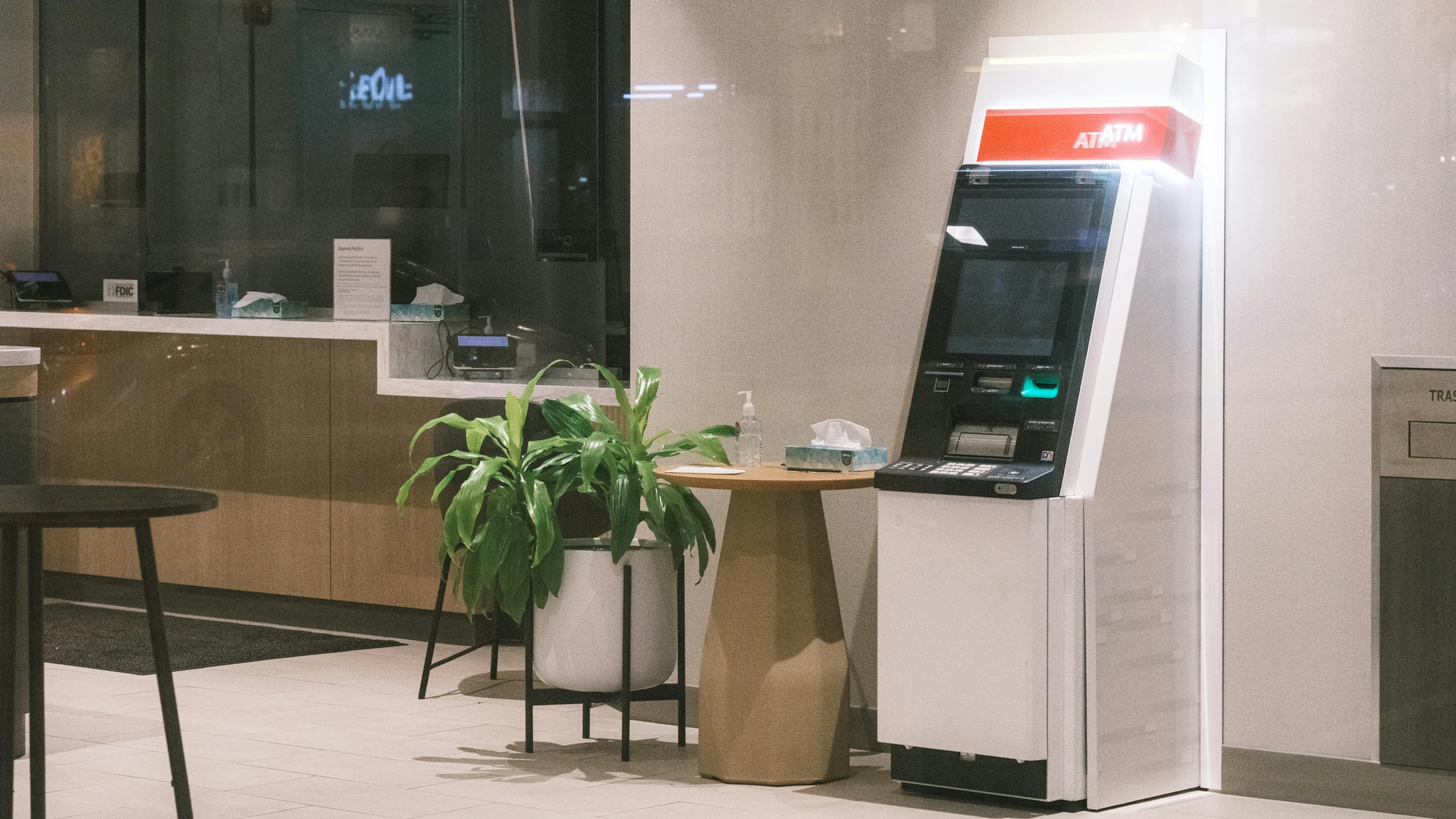
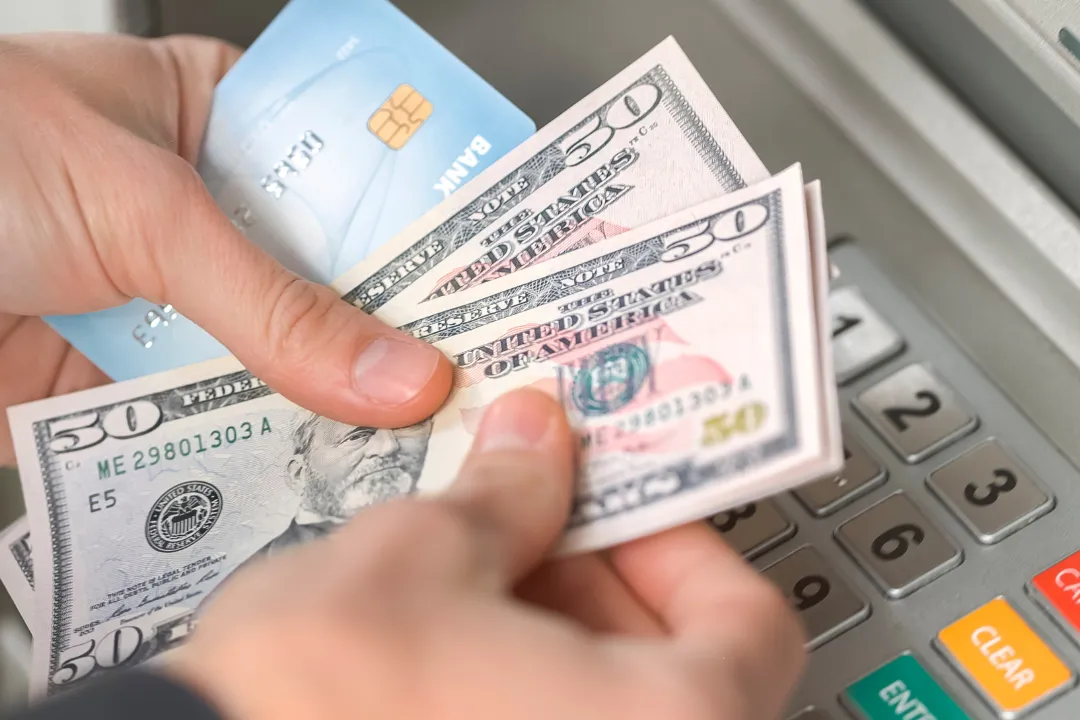
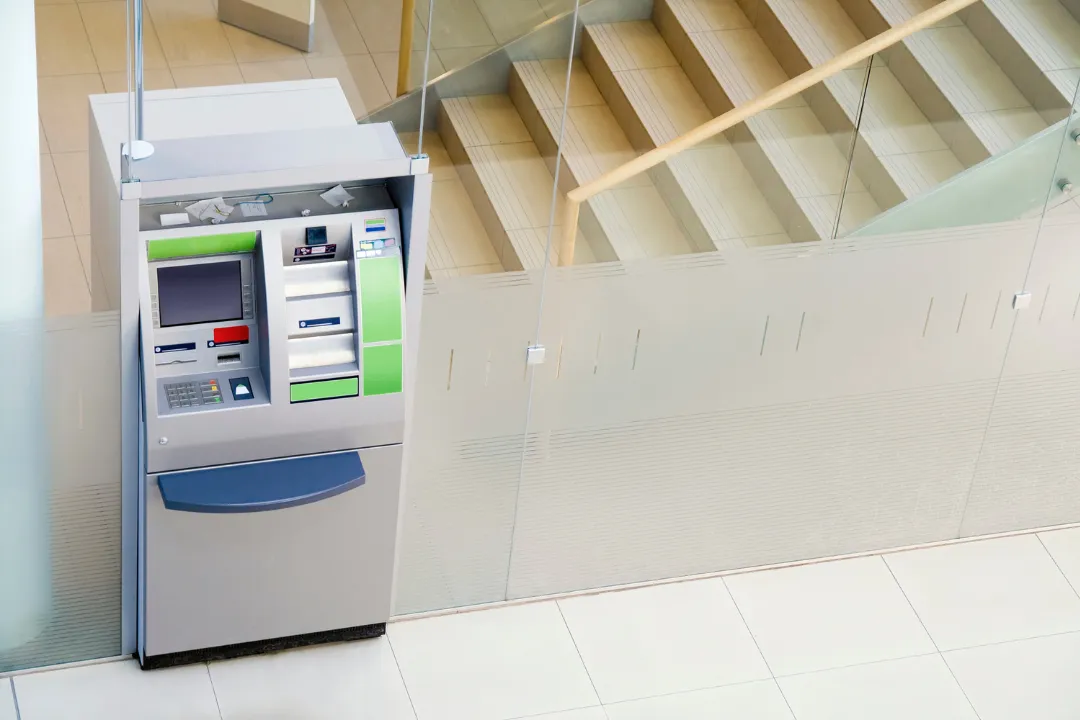
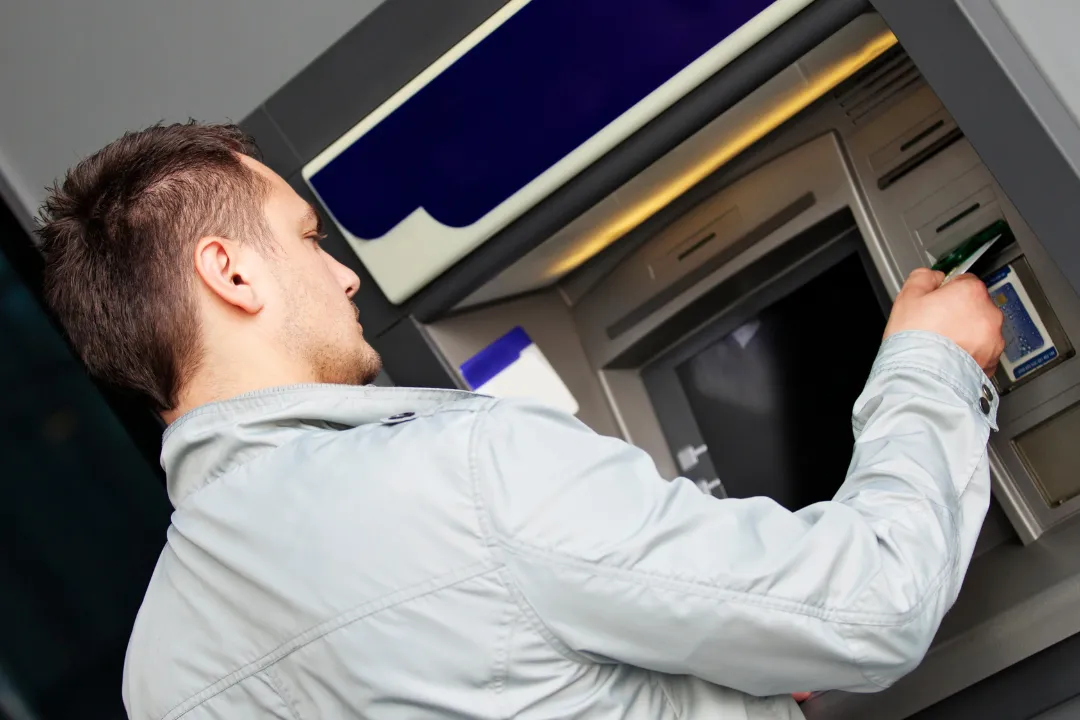
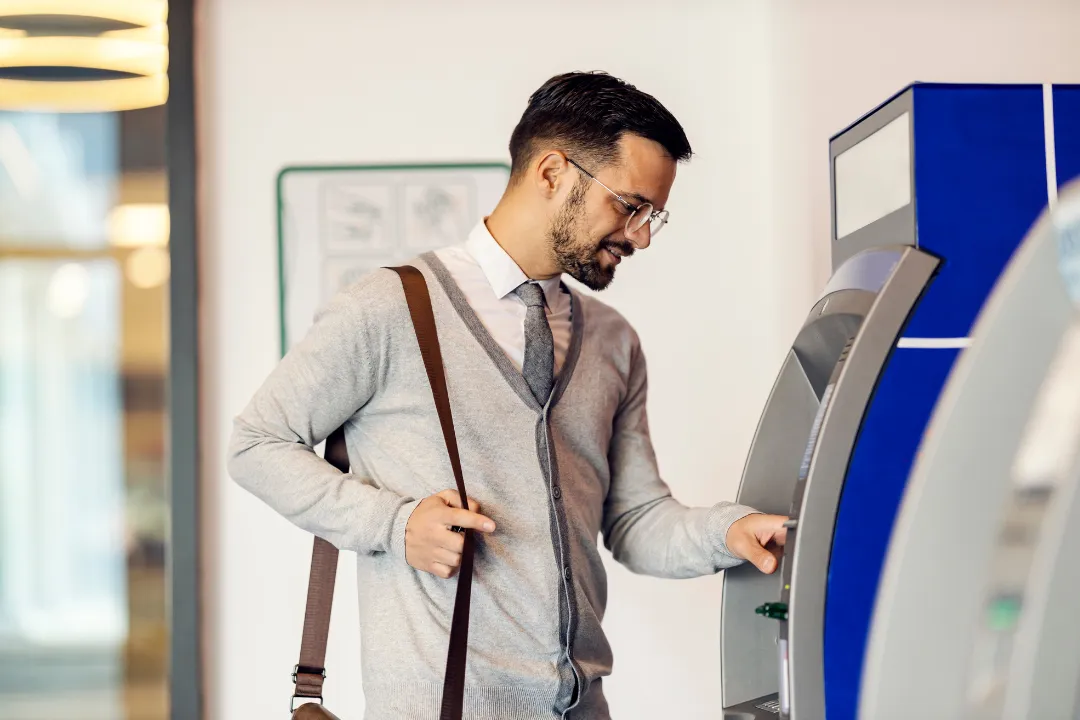
Impulse buying often depends on timing, convenience, and how easy it is for a customer to complete a purchase in the moment. Small businesses do not always lose those sales because the customer changed their mind. Sometimes they lose them because the customer did not have quick access to cash when they were ready to buy. An on-site ATM can help reduce that friction by giving customers a fast way to access money without leaving the location. For Oklahoma small businesses, this can be especially relevant in areas shaped by local retail activity, visitor traffic, events, nightlife, and travel movement. Oklahoma’s economy spans industries such as aerospace, agribusiness, manufacturing, energy, and financial services, while Oklahoma City alone saw 24.5 million visitors in 2024 and $2.8 billion in direct visitor spending, showing how much consumer movement matters to customer-facing businesses.
Impulse Purchases Often Happen When Cash Is Easy to Access
Many small-business purchases are not heavily planned. They happen because a customer sees something they want, notices a special offer, adds an extra item at checkout, or decides to spend a little more while already inside the store. Those kinds of purchases are easier to complete when the customer has immediate access to payment. If a customer needs cash but has to leave the property to find an ATM, the buying moment can disappear. They may decide the purchase is not worth the extra stop, or they may return later and buy less than originally intended. An on-site ATM helps protect that moment by making access to cash part of the experience instead of a barrier to it.
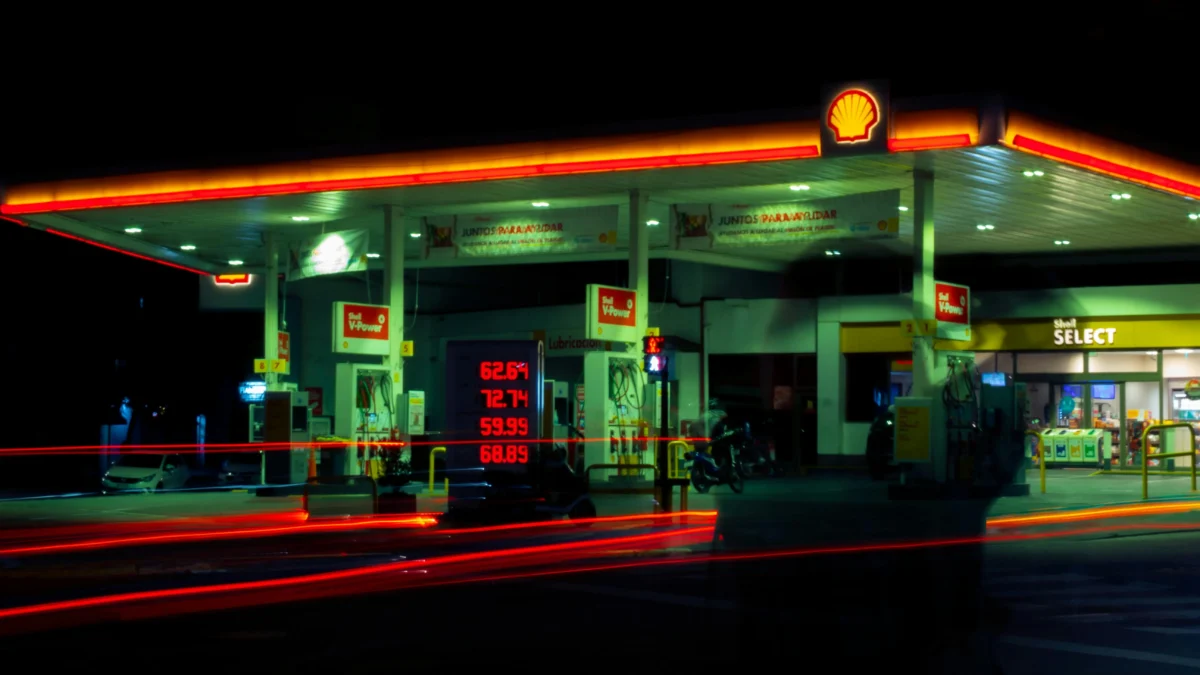
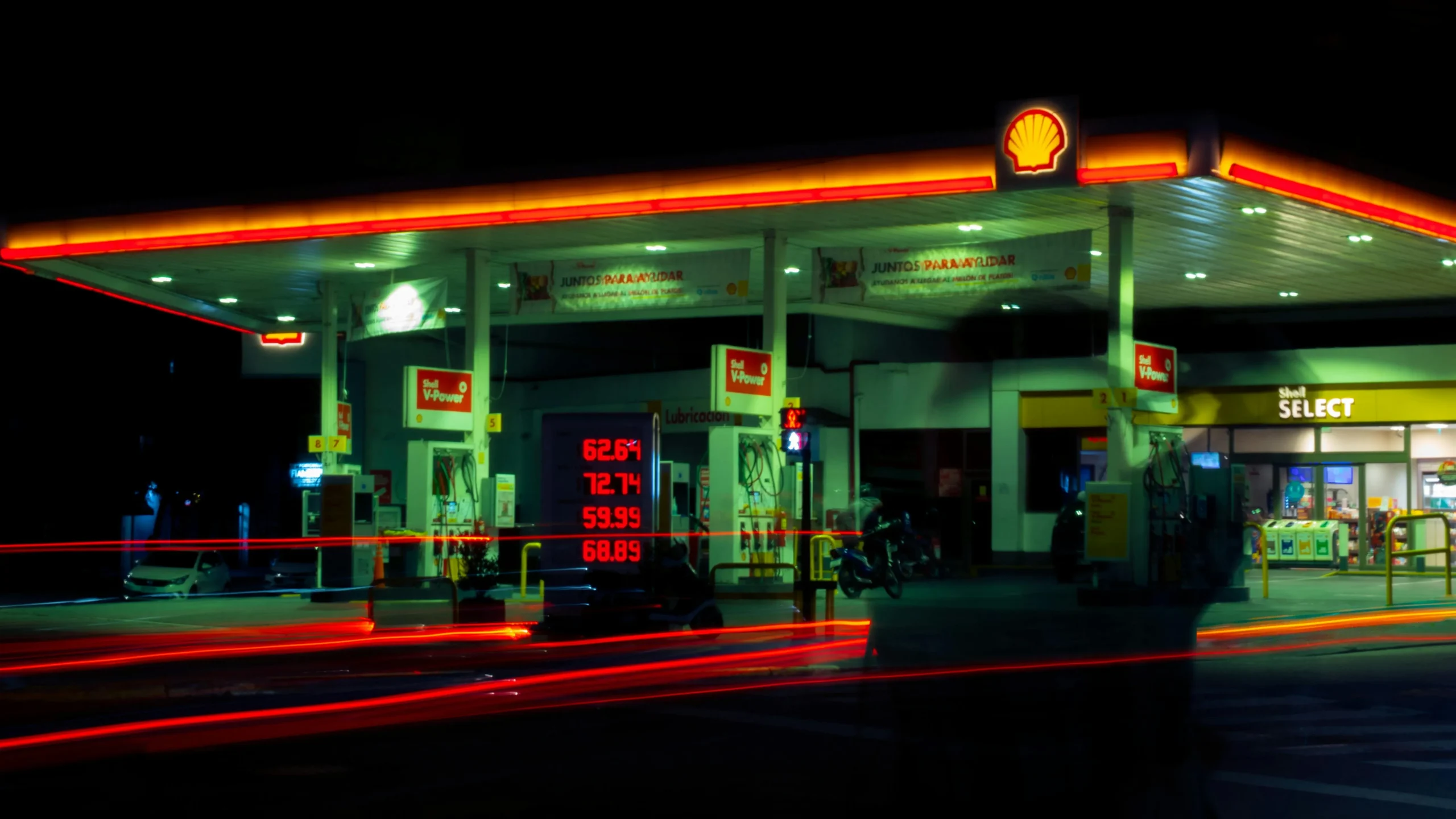
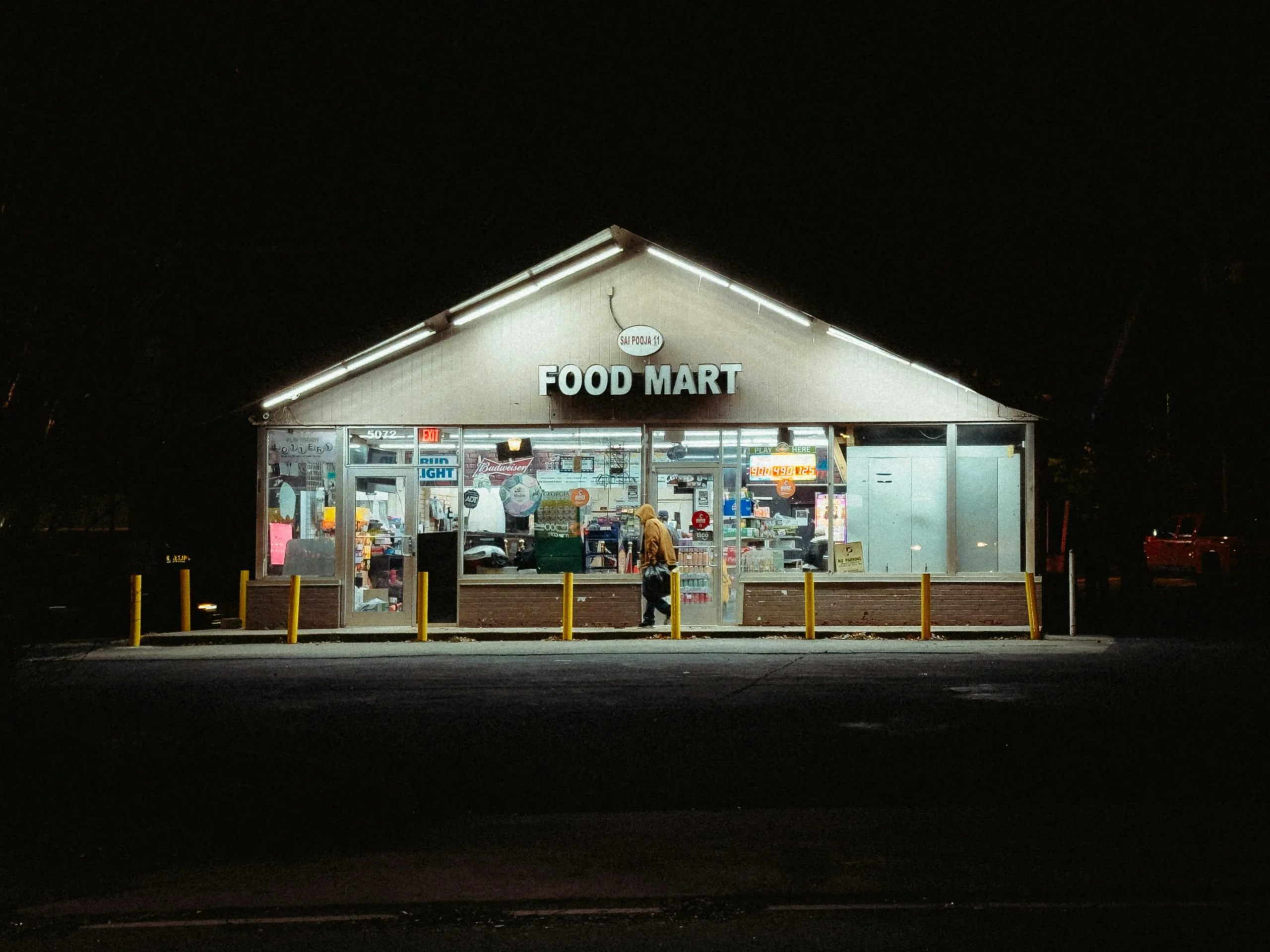
In Oklahoma, this can matter across many business types, including convenience stores, bars, restaurants, small retail shops, entertainment venues, fuel stops, and travel-oriented businesses. The state has the nation’s longest driveable stretch of Route 66, which means many businesses serve both residents and travelers in the same location. In that kind of environment, convenience becomes a competitive advantage. When customers can access cash right away, businesses have a better chance of keeping spontaneous purchases on-site instead of watching them disappear because the customer chose speed and simplicity elsewhere.
An ATM Can Help Keep Customers Inside the Business Longer
One overlooked reason ATMs can support impulse buying is that they reduce the chance a customer leaves the location before completing a purchase. Once a customer walks out to search for cash somewhere else, the business loses control of the buying environment. The customer may get distracted, change plans, choose a competitor, or decide not to spend at all. An on-site ATM helps keep the purchase journey inside the business where the customer is already engaged with the products, services, or atmosphere. That extra convenience can be especially helpful for small businesses that depend on walk-in traffic and in-the-moment purchase decisions rather than large pre-planned transactions.
This is particularly relevant in Oklahoma markets where commercial activity is spread across metro centers, regional hubs, and visitor corridors. Oklahoma City and Tulsa attract dense business and entertainment traffic, while cities such as Norman, Edmond, Broken Arrow, Stillwater, and Lawton also support active local economies. A business that makes it easier for customers to stay, browse, and complete purchases has a better chance of turning normal foot traffic into higher-value transactions. When an ATM is part of that environment, it becomes more than a machine. It becomes a tool that supports customer flow and reduces interruptions during the spending process.
Small Businesses Can Use ATM Convenience to Support Add-On Sales
Impulse buying is often tied to add-on behavior. A customer comes in for one item and leaves with two or three. That pattern is common in small businesses because products are often visible, accessible, and closely connected to the customer’s immediate needs or preferences. If the customer realizes they are short on cash, that add-on decision may disappear unless the business provides a quick solution. An ATM makes it easier for the customer to say yes to the extra item, the upgraded order, the additional drink, the convenience purchase, or the small premium choice they may not have planned at the start.
Oklahoma small businesses can benefit from this in a wide range of settings. Local shops in Oklahoma City, Tulsa, Norman, and Stillwater may see add-on behavior tied to events, nightlife, student traffic, hospitality demand, or tourism movement. The value of the ATM in these settings is not limited to direct transaction use. It also comes from what happens after the withdrawal, when the customer is better positioned to complete a larger purchase on-site. That is why ATMs are often best understood as both a convenience tool and a broader revenue-support feature for the business.
Convenience Features Can Strengthen Customer Perception and Spending Confidence
Customers tend to respond well to businesses that make transactions easier, faster, and more practical. An ATM can reinforce that impression by showing that the business understands how customers actually shop and what they may need in the moment. That can improve overall satisfaction and make people more comfortable spending because they know access to cash is available if needed. In small-business settings, that feeling of convenience can influence how long customers stay, how much they buy, and whether they return in the future. Impulse purchases often grow out of that same comfort level. When the experience feels easy, customers are more likely to buy beyond the minimum.
This idea fits well with Oklahoma’s business environment because the state continues to promote business growth across multiple sectors while also supporting local commerce and tourism. Official state business resources emphasize that Oklahoma is a place where businesses can develop and grow across industries, and official tourism resources continue to highlight Route 66 as a major statewide attraction. In that context, convenience is not a minor feature. It can be part of how small businesses serve both regular local customers and visitors moving through the market. An ATM can support that role when it is placed in the right kind of business setting.
In Oklahoma, the Right ATM Setup Can Help Small Businesses Capture More Unplanned Spending
The strongest case for an ATM in a small business is not that it changes the entire business overnight. It is that it helps remove friction at the exact moment a customer is ready to spend. That can support impulse purchases, encourage add-on sales, reduce lost transactions, and help keep more spending inside the location. For Oklahoma small businesses, that value becomes more practical when it is tied to real local conditions such as tourism, event traffic, retail movement, college-town activity, nightlife, and travel corridors. The state’s long Route 66 presence, broad industry base, and strong visitor economy in Oklahoma City all reinforce why easy customer transactions can matter in a wide range of locations. When a business thinks about ATM placement in this way, the machine becomes more than a standalone service. It becomes part of a broader strategy to make buying easier, keep customers on-site longer, and create more opportunities for spending that might not happen otherwise. That is why ATMs continue to make sense for many small businesses in Oklahoma: they support convenience, strengthen the customer experience, and create a more reliable path for capturing revenue that could otherwise be missed.